

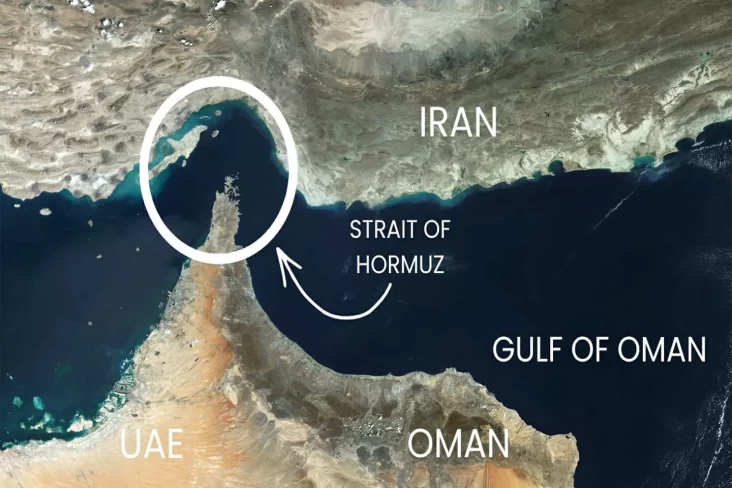
New York, Sketsa.id – Three permanent members of the United Nations Security Council — Russia, China, and France — have vetoed an initiative by Arab nations seeking international support for military action against Iran to forcibly reopen the Strait of Hormuz. All three veto-wielding nations are among the world’s major nuclear powers.
According to a diplomat and senior UN official, the Arab nations sought a resolution “authorizing the use of military force” to ensure global freedom of navigation. However, the effort failed due to the vetoes cast by the three countries.
Russia, China, and France stated that their position was based on “principled opposition to any language authorizing the use of force.” That stance has been widely interpreted as effectively allowing Iran to continue holding the global economy hostage and restricting the flow of oil and goods.
This development highlights deep divisions within the international community. France aligned itself with Russia and China in blocking what was described as a necessary military measure against Tehran, while the United States and Israel continue their military operations against Iran and reject calls for a ceasefire.
Trump Claims US Can Open Strait of Hormuz
Meanwhile, US President Donald Trump on Friday (April 3, 2026) said the United States could easily open the Strait of Hormuz, noting that the move would create an “oil gusher” for the world.
“With a little more time, we could easily OPEN THE STRAIT OF HORMUZ, TAKE ITS OIL, and CREATE WEALTH. IT WOULD BE AN ‘OIL GUSH’ FOR THE WORLD!!!” Trump wrote on Truth Social.
The Strait of Hormuz, through which approximately 20 percent of the world’s oil supply passes, has been disrupted since the US and Israel launched joint strikes against Iran. Trump has sent mixed signals regarding Washington’s plans for the waterway.
The region has been on high alert since the US and Israel launched airstrikes on February 28, which have killed more than 1,340 people to date, including Iran’s then-Supreme Leader Ayatollah Ali Khamenei. Iran has retaliated with drone and missile strikes targeting Israel, along with Jordan, Iraq, and Gulf states hosting US military assets, causing casualties and infrastructure damage while disrupting global energy markets.
During this war, more than a dozen people have been killed in Israel, approximately 24 people have died in Gulf states, and about 15 US troops have also been killed. (*)