

East Kalimantan, Sketsa.id- Behind the economic prosperity driven by coal mining, East Kalimantan bears deep environmental wounds that continue to affect local communities decades later. The province presents a complex paradox: while serving as a national energy powerhouse, it grapples with lasting damage from resource extraction.
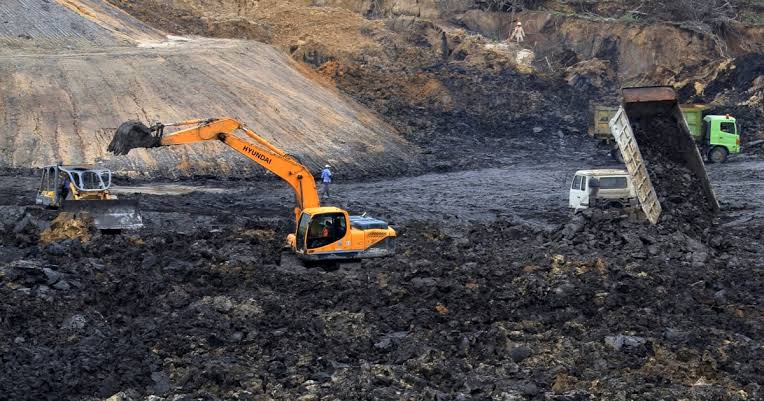
The scale of mining operations is staggering. Official data reveals mining permits cover approximately 13.83 million hectares – exceeding the province’s total land area of 12.7 million hectares. This has resulted in 1,735 abandoned mining pits scattered across the region, many filled with toxic water that poses serious health risks to nearby communities.
Local residents report deteriorating living conditions as traditional water sources become contaminated.
“We can no longer use the river for drinking or bathing. Our children develop skin rashes after swimming,” said Ahmad, a resident of Samarinda Seberang.
Between 2011-2021, at least 40 children drowned in these unsecured mining pits, highlighting the immediate dangers posed by inadequate reclamation.
The impact on indigenous communities has been particularly severe. Approximately 200,000 hectares of customary land have been converted for mining, disrupting traditional livelihoods and cultural practices.
Despite these challenges, signs of hope emerge through various rehabilitation initiatives. In Samboja, vocational students have transformed former mining land into productive greenhouses growing strawberries, melons and chili peppers. The provincial government has prioritized land rehabilitation programs, though progress remains slow compared to the scale of damage.
Significant obstacles persist, with 168 illegal mines still operating across Berau, Kutai Kartanegara and Samarinda. Weak oversight and regulatory gaps continue to hamper effective environmental management.
The situation in East Kalimantan represents a critical test for Indonesia’s commitment to sustainable development. As the province transitions toward renewable energy and sustainable practices, addressing these historical wounds remains essential for achieving genuine environmental justice and lasting prosperity for all residents. (*)