

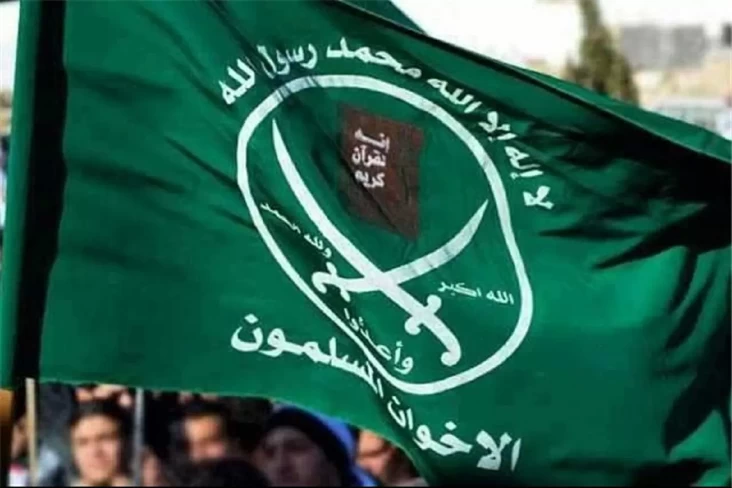
WASHINGTON, D.C., Sketsa.id – In a significant policy shift with wide-ranging implications for U.S. relations in the Middle East, the Trump administration has initiated the process to designate specific branches of the Muslim Brotherhood as Foreign Terrorist Organizations (FTO). An executive order signed by President Donald Trump specifically targets the group’s operations in Egypt, Lebanon, and Jordan.
The order accuses these regional branches of being directly involved in acts that undermine regional stability. According to the document, obtained by international news agencies, the branches are cited for “engaging in or facilitating and supporting violence and destabilizing campaigns that harm their own regions, U.S. citizens, and U.S. interests.”
This designation, once fully processed, would grant Washington broad authority to impose punitive measures. These include freezing any assets the designated branches may hold within the United States and barring their members from entering the country.
The task of formally implementing the ban now falls to Secretary of State Marco Rubio and Treasury Secretary Scott Bessent.
A Movement with Deep Roots
The Muslim Brotherhood, a pan-Islamist organization founded in Egypt in 1928 by schoolteacher Hassan al-Banna, has grown into one of the most influential socio-political movements in the Arab world. Its foundational philosophy posited that a revival of Islamic principles in public life was key to empowering Muslim societies against Western colonialism.
The group’s relationship with power has been complex and often contentious. While it has been formally banned as a terrorist organization by several nations, including Egypt and Saudi Arabia, its influence has persisted, particularly through social and political networks.
Regional Reactions and Complex Realities
The situation on the ground varies significantly across the three nations named in the order. In Jordan, where the Brotherhood has historically maintained a significant presence and social influence, the government recently banned the group in April. Jordanian authorities alleged the group was involved in weapons production and stockpiling, accusing it of plotting to destabilize the monarchy. Despite a 2020 high court ruling to dissolve the group, it had continued to operate, with reports suggesting authorities had previously turned a blind eye to some of its activities.
In Egypt, the Brotherhood has been outlawed since 2013, following the military ouster of the country’s first democratically elected president, Mohamed Morsi, a member of the Brotherhood. The coup was led by the then-military chief, Abdel Fattah al-Sisi, who has since presided over the nation and cultivated a key strategic alliance with Washington.
The move by the Trump administration was praised by Danny Danon, Israel’s ambassador to the United Nations, who called it a “significant decision, not only for the State of Israel but also for neighboring Arab countries that have suffered from the terrorism of the Muslim Brotherhood for decades.”
This U.S. action aligns with a broader trend of scrutiny against the Brotherhood. Just last May, French President Emmanuel Macron directed his government to draft proposals to counter the group’s influence and spread within France, indicating growing concern among Western nations about its activities.
The designation is expected to further complicate the already delicate political landscape in the Middle East, affecting diplomatic ties and regional alliances.