

Caracas, Sketsa.id – The region is still reeling from the bold U.S. military operation that captured Venezuelan President Nicolás Maduro on January 3. Now in New York facing federal charges of narco-terrorism and drug trafficking, Maduro’s detention has sparked widespread outrage. But what has truly alarmed Latin America are President Donald Trump’s remarks that appear to signal potential further interventions.
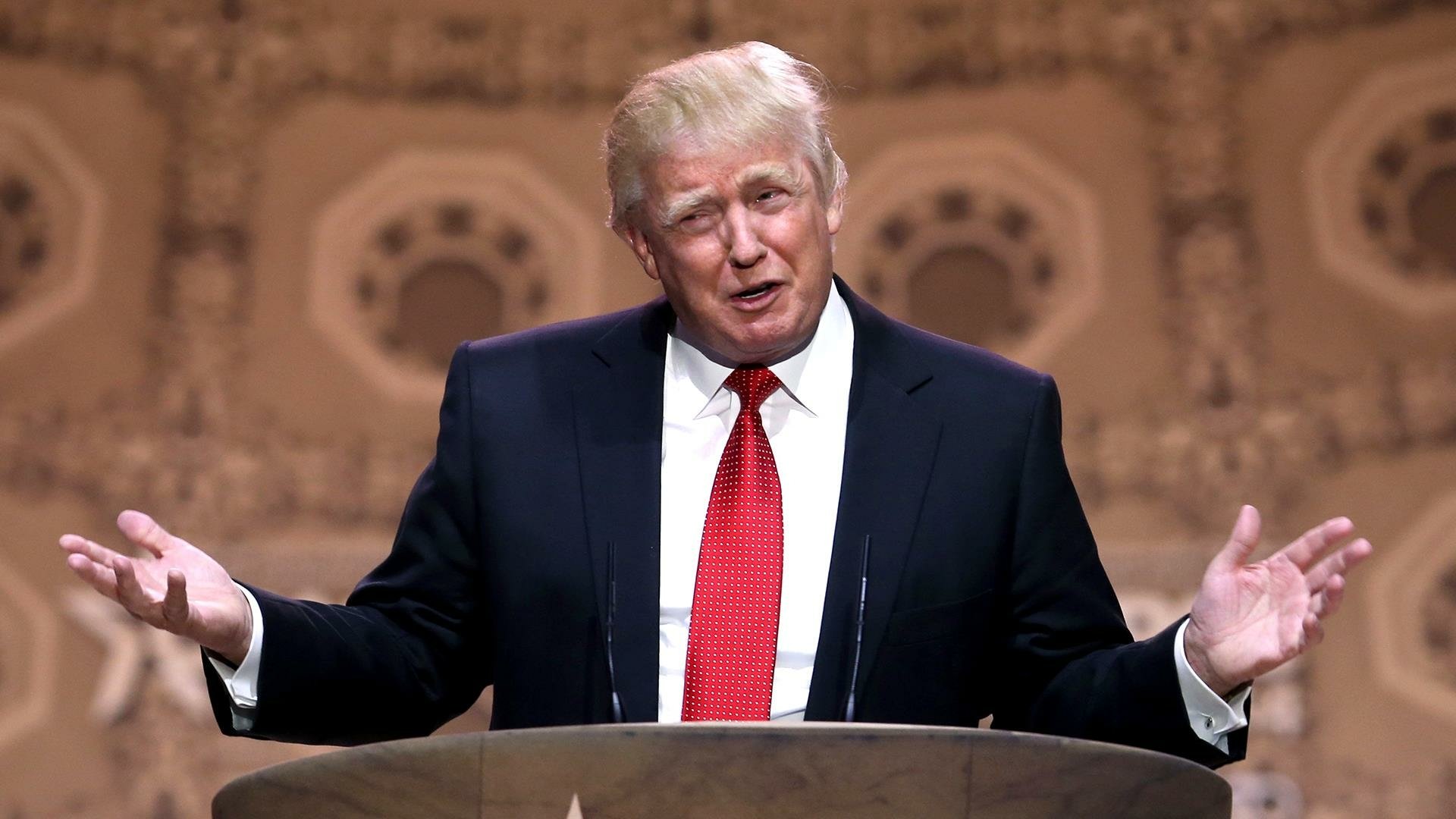
Speaking aboard Air Force One, Trump labeled Colombia and Venezuela as “very sick” countries, accusing Colombian President Gustavo Petro of running a government tied to cocaine production and sales to the U.S. “He’s not going to be doing it for very long,” Trump said. When pressed on whether this implied a military operation in Colombia, he replied, “It sounds good to me.”
Petro fired back on X, calling for Latin American unity to prevent the region from being treated as “servants and slaves.” He stressed that revenge is not the answer, but the continent must build independence and look beyond the north.
On Cuba, Trump was blunt: “Cuba is ready to fall.” He argued the island has lost its main income source—Venezuelan oil subsidies. “They have no revenue left,” he said. Political scientist Matthew Wilson from Southern Methodist University noted that Cuba remains a top priority for the U.S. due to decades of tension since the 1959 revolution and the strong influence of anti-regime Cuban-American communities in U.S. politics.
For Mexico, Trump described the country as “controlled by cartels” and warned it must address the flow of drugs into the U.S. He praised President Claudia Sheinbaum as “a great person” but claimed he had offered to send U.S. troops during their talks.
Trump has openly revived the 19th-century Monroe Doctrine, which declared the Western Hemisphere off-limits to European powers. His updated version? He calls it the “Don-roe Doctrine.” Analysts like David Smith from the University of Sydney view these statements as a calculated strategy of intimidation: use short, dramatic shows of force—like the Venezuela operation—to pressure other governments into compliance without full-scale war.
No concrete military moves have been announced against Colombia, Mexico, or Cuba. Many experts believe the threats are more about leverage on issues like migration, deportations, and drug enforcement. Yet the swift success in Venezuela—where the U.S. now claims temporary control—has left the region wondering what comes next.
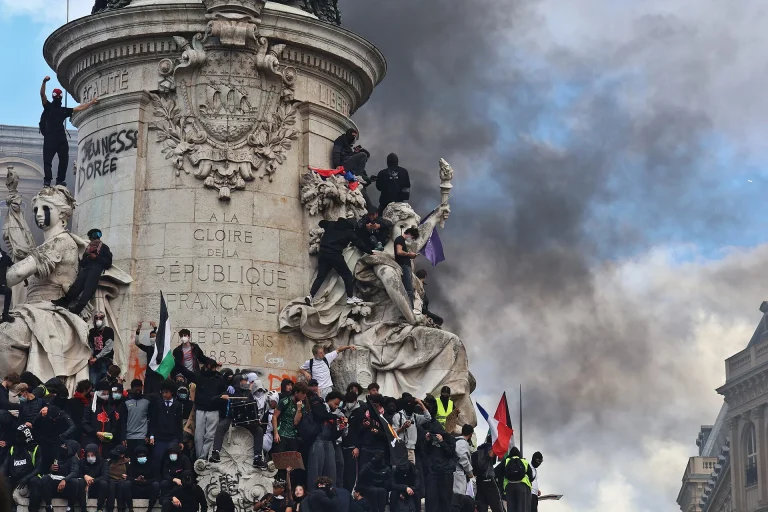
Strong international condemnation has poured in from Brazil, Chile, Colombia, Mexico, Uruguay, and Spain, describing the actions as a “dangerous precedent” for regional peace and security.
Latin America stands at a crossroads. Will it unite against renewed U.S. dominance, or seek stability through cooperation? One thing is clear: the “Don-roe” era has begun. (cc)