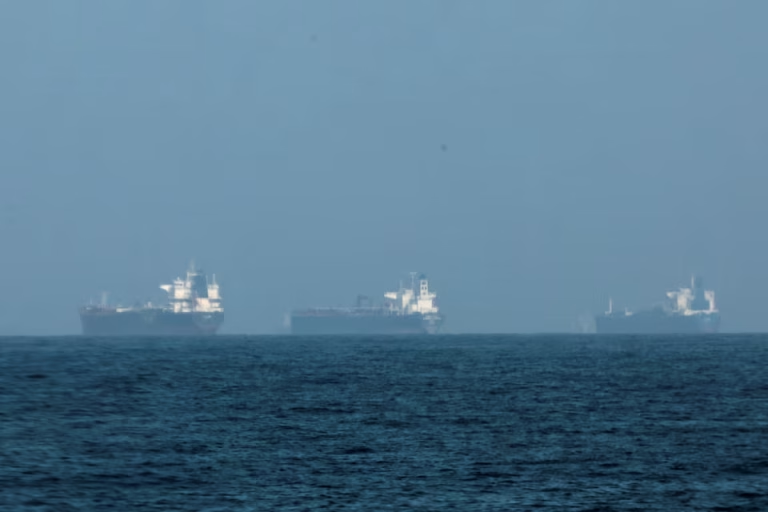


International, Sketsa.id – Amid the escalating U.S.-Israel conflict with Iran, the near-total shutdown of the Strait of Hormuz—a lifeline for about 20% of global oil supplies—has thrust world oil stockpiles into the spotlight. With hundreds of tankers stranded and Brent crude prices surging up to 13% to around $82 per barrel, nations are scrambling to assess their reserves. Asia, heavily reliant on Middle Eastern imports, faces the greatest risks, prompting urgent calls for the strait’s reopening and highlighting stark disparities in preparedness.
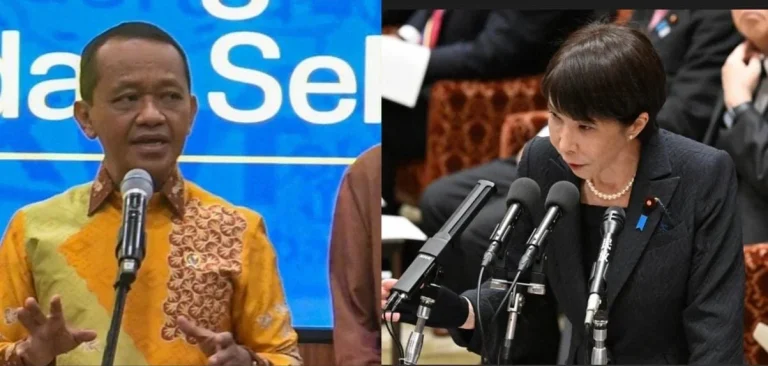
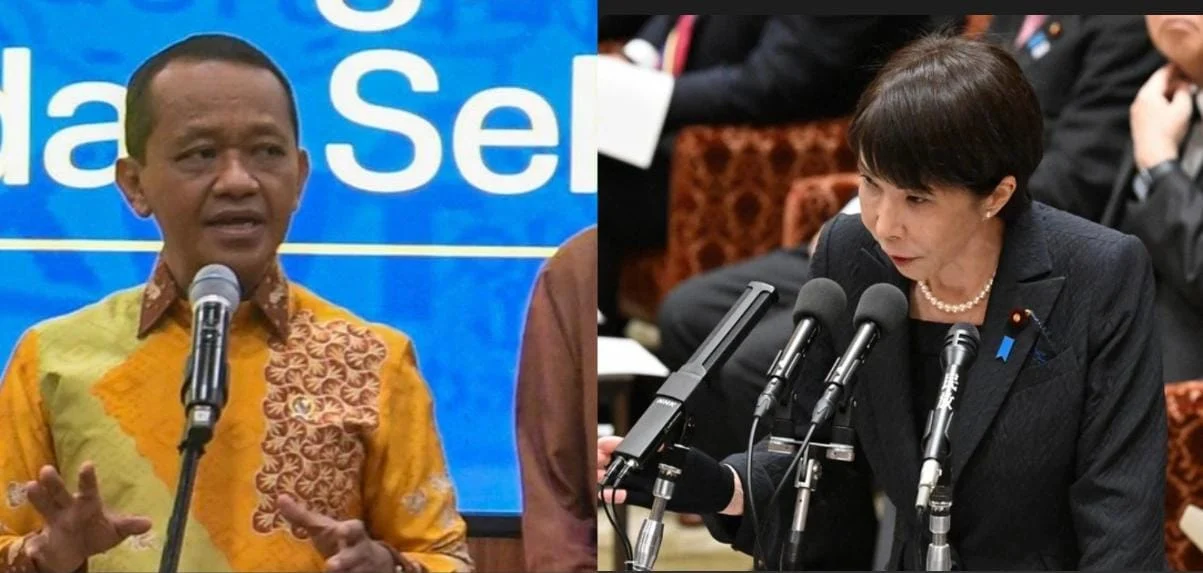
Japan, one of the most vulnerable importers, has taken a firm stance. Prime Minister,Sanae Takaichi emphasized that the country holds strategic oil reserves equivalent to 254 days of consumption, comprising 146 days from national stockpiles and 101 days from private sector holdings. Japanese oil companies are pressing the government to release these reserves preemptively amid fears of prolonged disruptions. Economy, Trade, and Industry Minister, Ryosei Akazawa stated there are no immediate plans for releases but affirmed close monitoring in coordination with the International Energy Agency (IEA).
A Japanese government spokesperson urged Iran to “ensure the safety of the Strait of Hormuz,” underscoring the nation’s dependence on the route for over 90% of its crude imports from the Middle East. Shipping giants like Maersk have suspended operations in the region, exacerbating concerns. Analysts warn that a sustained closure could drive oil prices to $100 per barrel, risking stagflation in Japan’s import-dependent economy.
In stark contrast, Indonesia’s reserves paint a more precarious picture. Energy and Mineral Resources Minister, Bahlil Lahadalia confirmed that the country’s fuel stockpiles are sufficient for only about 20-23 days, aligning with national standards limited by storage capacity rather than supply shortages. “Our storage has long been capped at around 25 days at most, so the standard is 20 to 23 days,” Bahlil explained, noting no immediate emergency despite the Hormuz crisis.
Indonesia imports 25% of its crude oil from the Middle East, making it highly exposed to disruptions. In response, Bahlil announced plans to redirect some imports to the United States for supply certainty, while subsidized fuel prices remain stable ahead of holidays. The government aims to expand storage to achieve a 90-day reserve, aligning with IEA standards for greater energy security. Current limitations leave the archipelago vulnerable compared to advanced economies, with experts urging accelerated infrastructure development.
Globally, the crisis underscores uneven preparedness. Asia accounts for 69% of Hormuz oil flows, with South Korea holding 200 days’ worth and India relying on the route for 50% of imports. Oxford Economics anticipates the strait will reopen, but Wood Mackenzie warns of a potential global recession if disruptions persist. Floating stocks worldwide stand at 290 million barrels, yet Iraq has halted production due to overflowing tanks. Goldman Sachs projects an $18 per barrel risk premium for a six-week closure, while Qatar’s one-month LNG production halt has spiked European gas prices by 70%.
U.S. President Donald Trump has pledged naval escorts and insurance for tankers, but CSIS analysts note Iran’s capacity to disrupt traffic despite military setbacks. The situation highlights the world’s overreliance on a single chokepoint, fueling calls for energy diversification and stronger international reserves. (cc)