

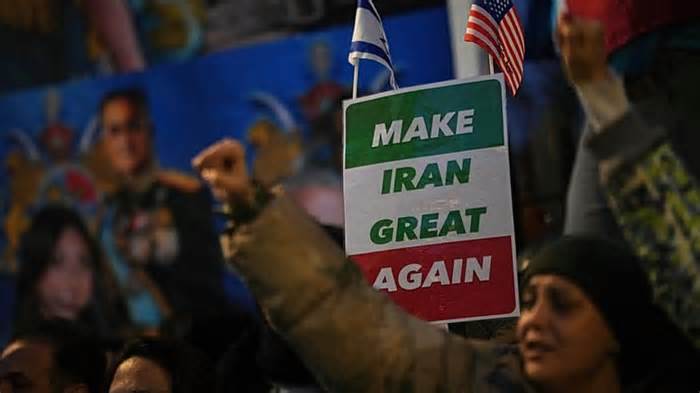
TEHRAN, Sketsa.id – As Iran grapples with domestic unrest and a worsening economy, the United States has escalated its economic pressure campaign by imposing a new, comprehensive set of sanctions. Announced on Thursday, January 15, 2026, the sanctions target senior Iranian security officials accused of violently suppressing nationwide protests and a vast clandestine financial network alleged to be a lifeline for the regime.
US Treasury Secretary Scott Bessent framed the action as a move in solidarity with the Iranian people. “This is about standing with the people of Iran,” he stated, confirming the sanctions were directed by President Donald Trump against what US officials call the “architects” of the suppression.
Twin Targets: Security Apparatus and Financial Networks
The sanctions have a dual focus. The first prong aims at Iran’s security leadership. Ali Larijani, Secretary of Iran’s Supreme National Security Council, was designated for his alleged central role in coordinating the state’s response to protests that began in December 2025. Several provincial security commanders accused of overseeing violent crackdowns were also sanctioned.
Furthermore, the US Department of State formally designated Fardis Prison, an institution it described as a site where detainees have faced “cruel, inhuman, and degrading treatment.” This designation effectively freezes any of the prison’s assets under US jurisdiction.
The second, and potentially more impactful, prong targets Iran’s intricate “shadow banking” system. The Treasury’s Office of Foreign Assets Control (OFAC) sanctioned 18 individuals and entities tied to a network of front companies. This network is alleged to launder billions of dollars from Iranian oil and petrochemical sales, evading existing international sanctions.
Two state-owned banks, Bank Melli and Shahr Bank, were identified as key operators of this system. US authorities claim these banks utilize a global web of shell companies from the United Arab Emirates to Singapore to facilitate tens of billions of dollars in annual trade. The Treasury Department asserts these funds are routinely diverted from the Iranian people to finance domestic repression and militant activities abroad.
Pressure Applied at a Precarious Moment
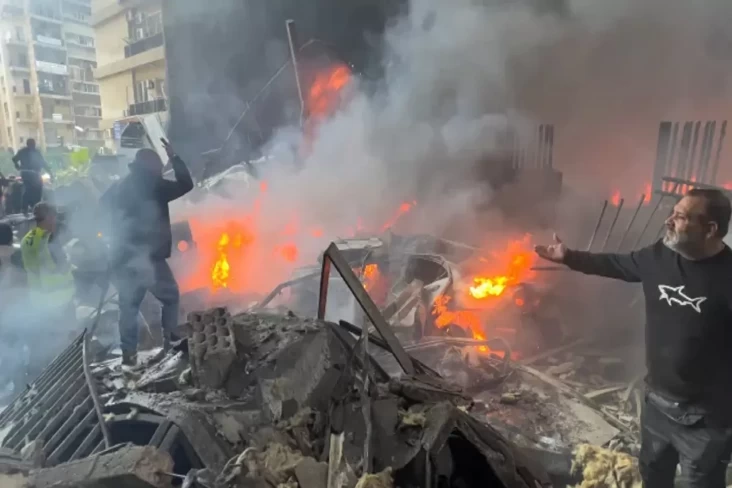
The new sanctions arrive at a critical time for Iran. Protests triggered by economic hardship and political repression have spread across provinces for over two weeks. Independent reports from within Iran detail a severe crackdown, including the use of live ammunition against crowds and raids on hospitals.
By targeting both the perpetrators of violence and the regime’s financial infrastructure, Washington appears to be capitalizing on Iran’s internal fragility. A US State Department spokesperson stated the measures aim to “deny the regime access to the global financial system while they continue to oppress the Iranian people.”
This move significantly tightens the “maximum pressure” policy initiated during the previous Trump administration. While US officials state the ultimate goal is behavioral change, this escalation signals Washington’s readiness to intensify economic and diplomatic pressure for the duration of the crisis. The new sanctions represent a systematic effort to constrict the financial resources that sustain the Iranian government. (*)